Let’s talk British Values!
Let’s talk British Values!
In our latest blog post we talk all about British values and how we implement them at our nurseries…..
What are British values?
In early years education, “British Values” are an important part of helping children grow into kind, respectful, and responsible members of society. These values are introduced in simple, age-appropriate ways so that young children can begin to understand how to live and work alongside others.
There are four key British Values that are promoted in early years settings:
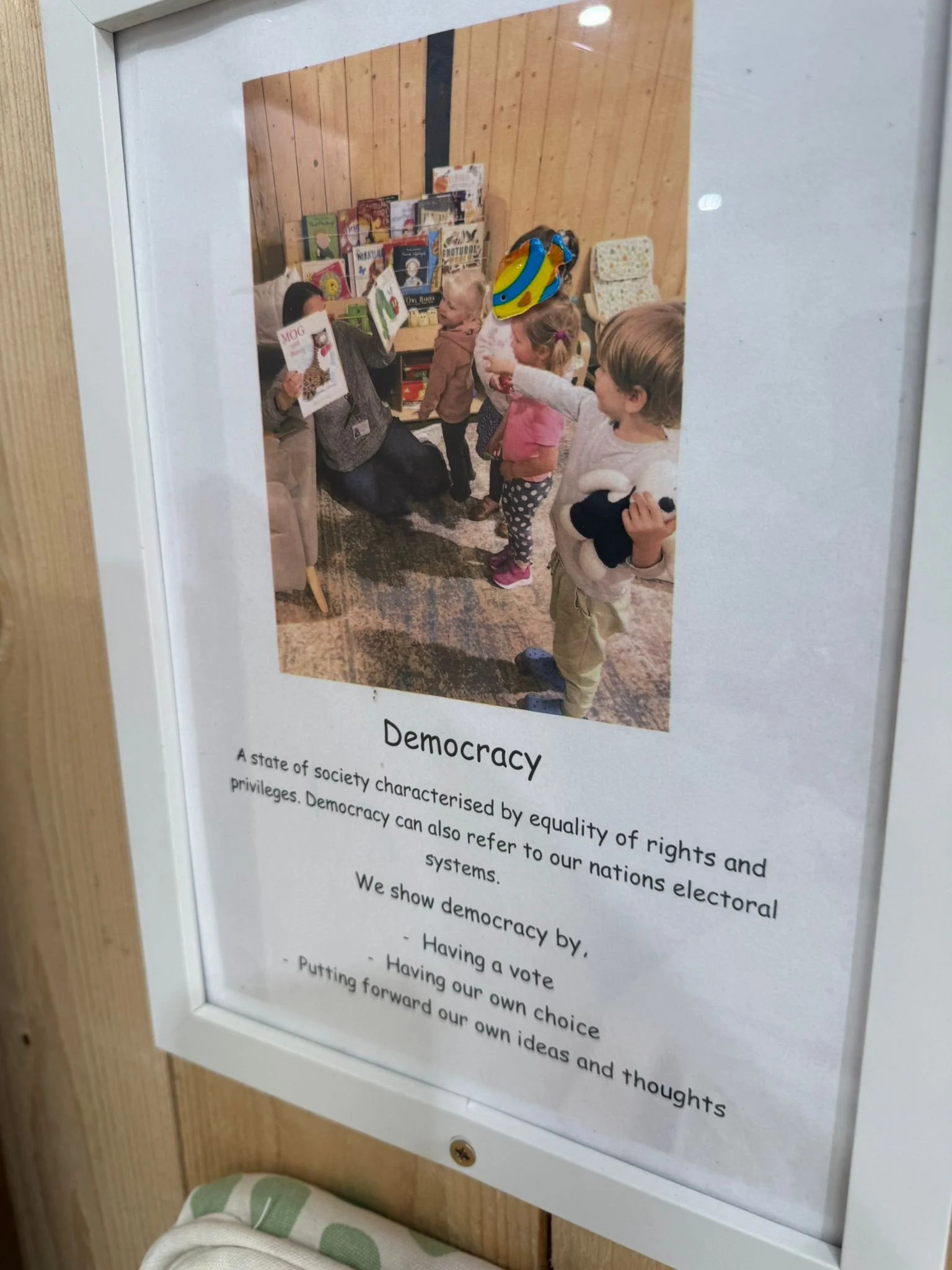
1. Democracy
Democracy means that everyone has a voice and can share their ideas. In early years, this might look like children choosing between activities, voting on a story, or taking turns to speak. It helps children learn that their opinions matter and that they should listen to others too.
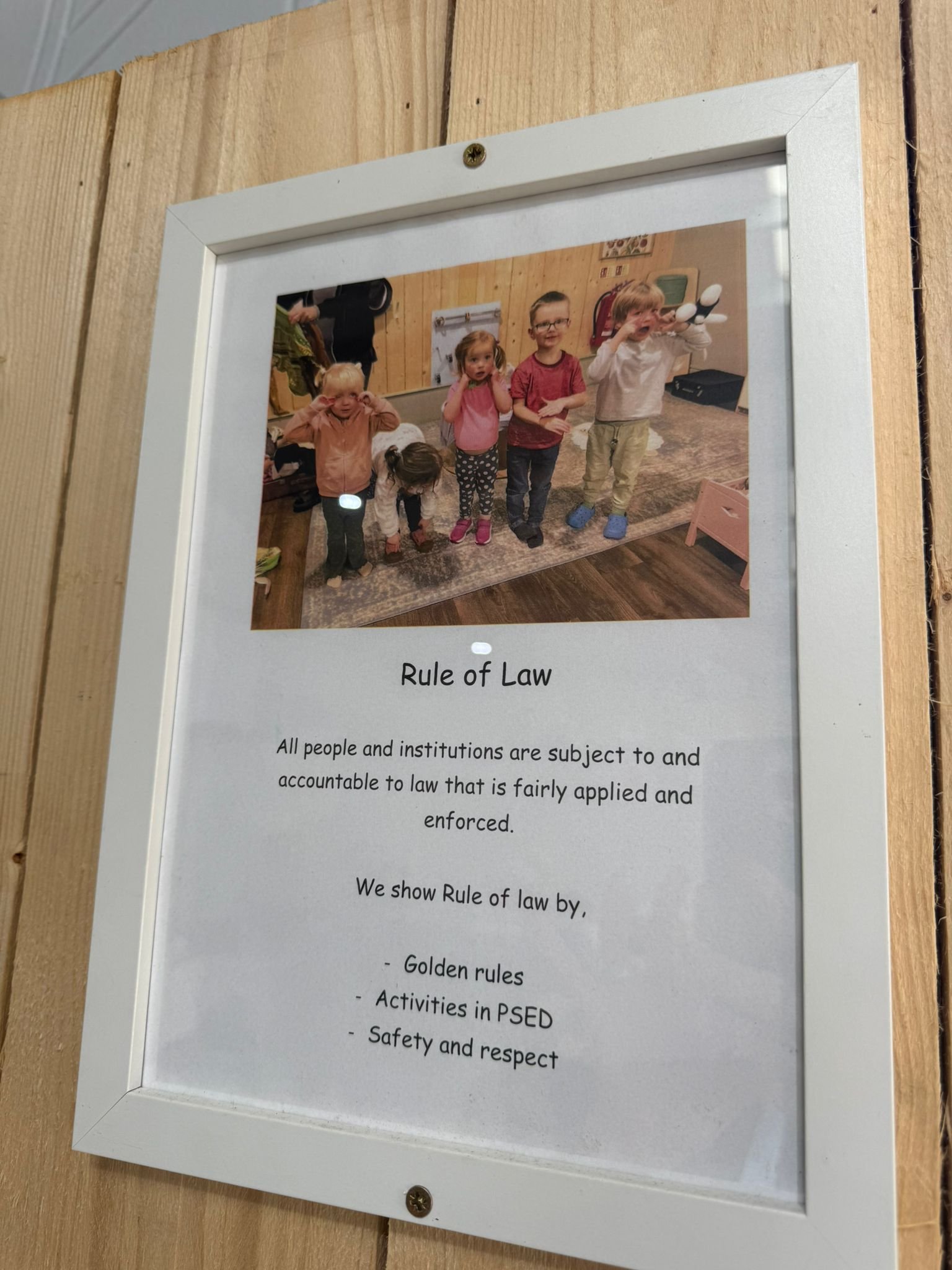
2. The Rule of Law
The rule of law is about understanding that rules help keep us safe and happy. Young children learn this through clear and consistent boundaries, such as tidying up after play or following simple classroom rules. They begin to understand that actions have consequences and that rules apply to everyone.
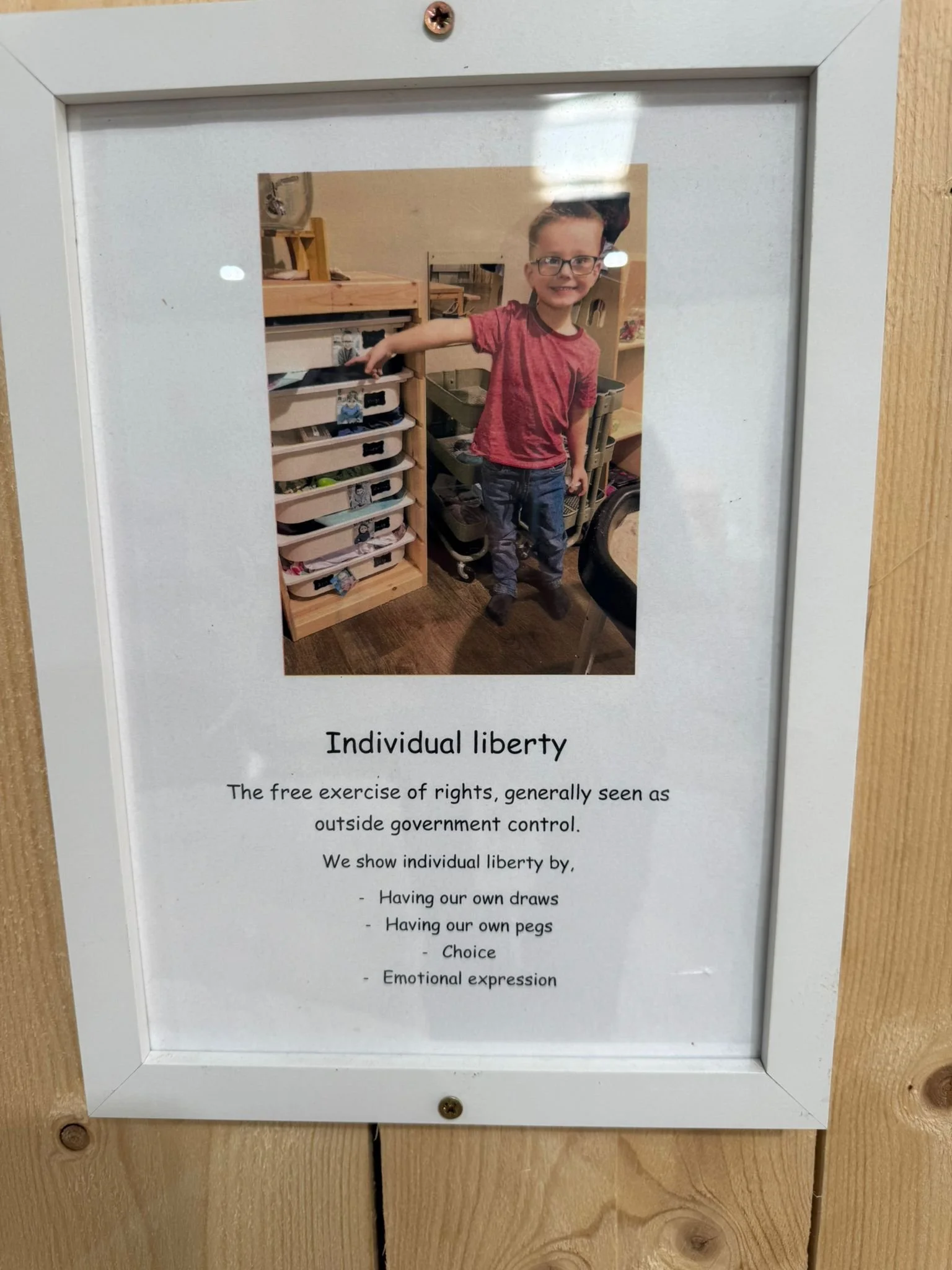
3. Individual Liberty
Individual liberty means having the freedom to make choices. In early years settings, children are encouraged to choose activities, express their interests, and develop independence. At the same time, they learn that their choices should not harm others.
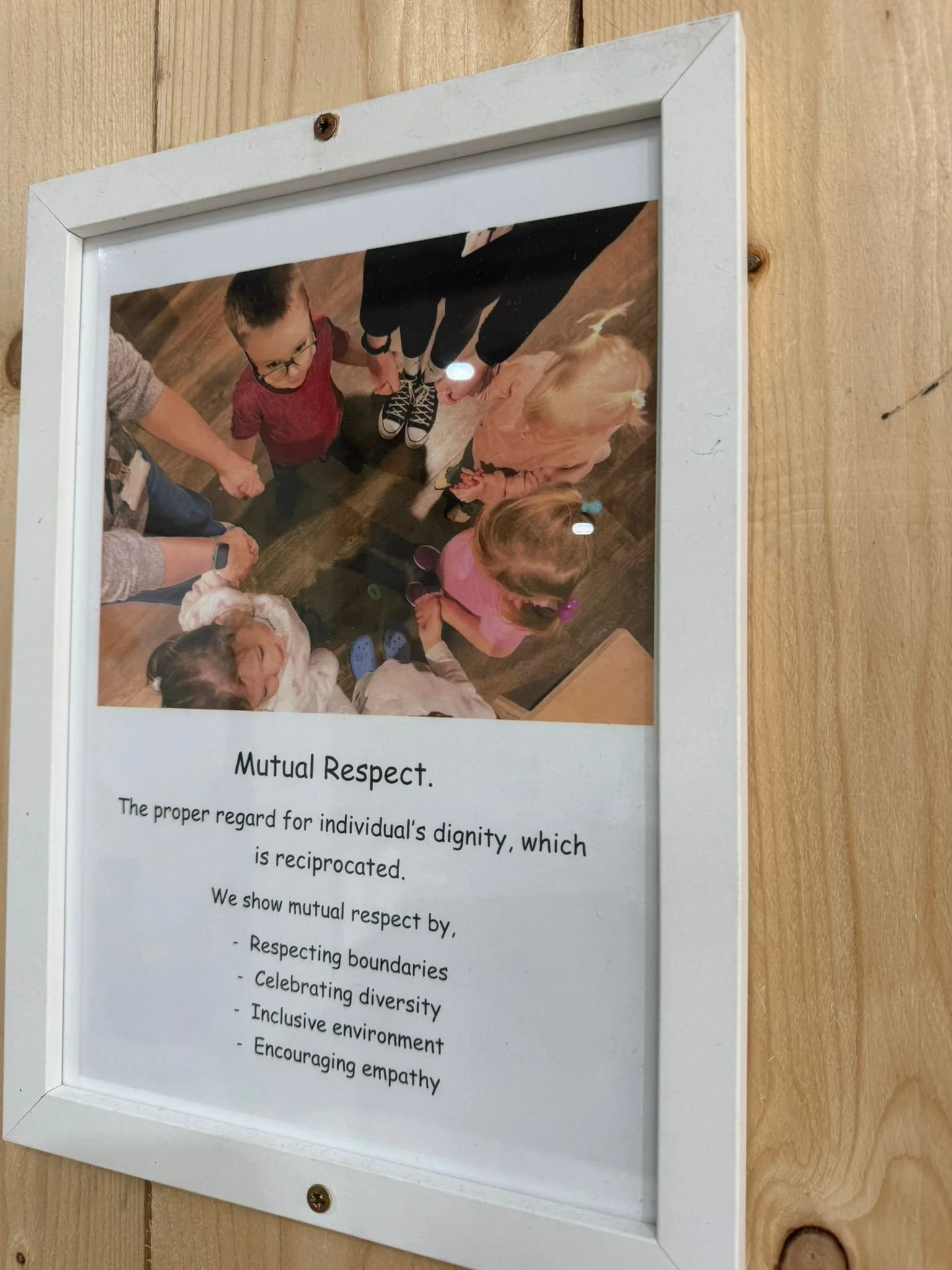
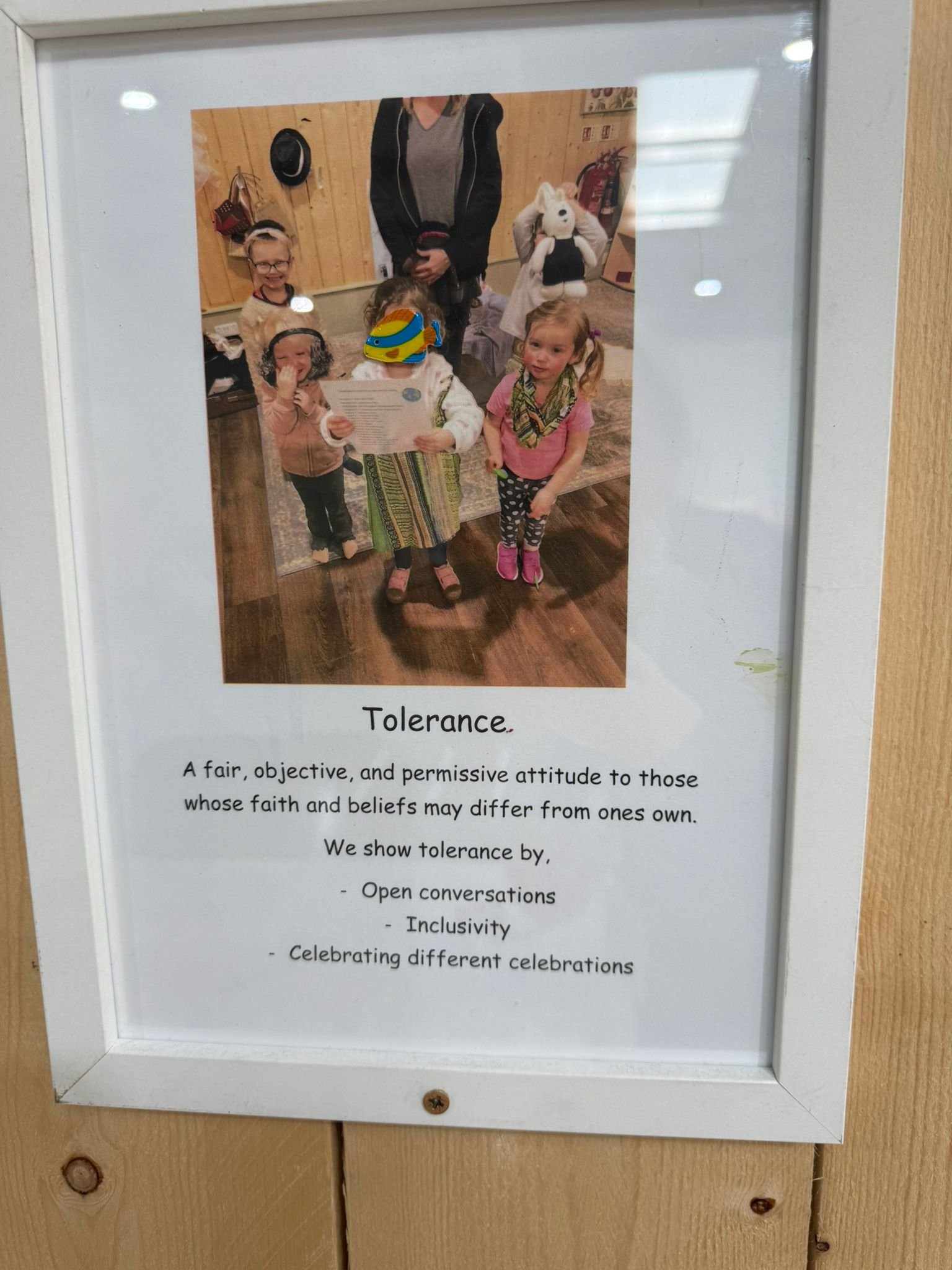
4. Mutual Respect and Tolerance
This value teaches children to treat others kindly and to appreciate differences. Children learn to share, take turns, and be considerate of others’ feelings. They are also introduced to different cultures, traditions, and beliefs, helping them understand and respect diversity.
Why Are British Values Important?
Promoting British Values in the early years helps children develop social skills, confidence, and a sense of belonging. These values lay the foundation for positive behaviour and help children understand the world around them.
By learning these principles early on, children are better prepared to become thoughtful, respectful individuals who can contribute positively to society.
British Values in the early years are not taught through formal lessons but are woven into everyday activities and interactions. Through play, discussion, and guidance, children begin to understand fairness, respect, and responsibility—skills that will support them throughout their lives.